


The Soulful Genius Bollywood Never Celebrated Enough

Roop Kumar Rathod belongs to that rare league of singers whose voice does not merely deliver a song—it breathes life into emotions. Yet, despite possessing one of the most soulful and classically refined voices in Indian cinema, he remains among the most underrated playback singers of his generation. From the patriotic ache of “Sandese Aate Hain” to the spiritual transcendence of “Maula Mere Maula,” and from the heartfelt romance of “Tujh Mein Rab Dikhta Hai” to the timeless longing of “Dil Ko Tumse Pyar Hua,” Rathod has consistently gifted listeners melodies that continue to resonate across generations. His career is a reminder that true artistry often shines beyond the glare of mainstream stardom.
Born on June 10, 1973, in Bombay, Maharashtra, Roop Kumar inherited music as both legacy and destiny. Trained by his father, the legendary Dhrupad exponent Pandit Chaturbhuj Rathod, he was immersed in the rich traditions of Hindustani classical music from an early age. Before becoming a celebrated singer, he mastered the tabla and accompanied renowned ghazal maestros during the 1980s. Coming from a family deeply rooted in music—with brothers Shravan Rathod and Vinod Rathod also leaving lasting marks on the industry—Roop Kumar developed a musical foundation that blended discipline, versatility, and emotional depth.


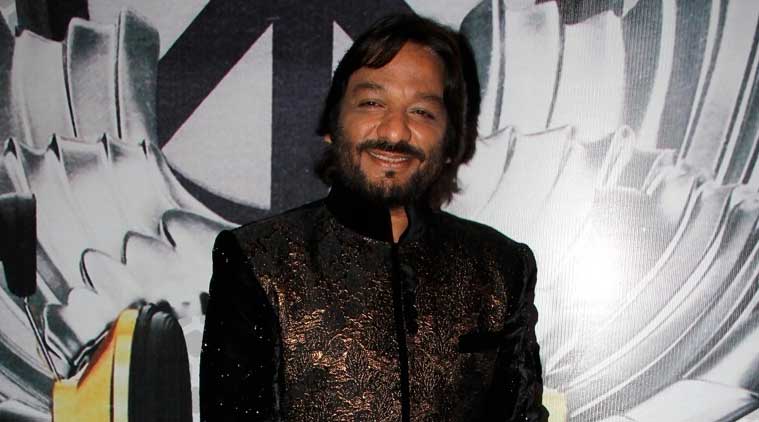
His playback journey began modestly with “Wohi Awaz Wohi Lay” in 1989 and gradually gained momentum through memorable songs in films such as Angaar, Gumrah, and Raja. However, it was the 1997 war epic Border that brought him into the national spotlight. “Sandese Aate Hain” became an anthem of sacrifice and longing, while “Ae Jaate Hue Lamhon Zara Thehro” showcased his extraordinary ability to evoke emotion through melody. Despite the immense success of these songs, Bollywood never fully capitalized on his talent. Instead, he continued delivering unforgettable gems like “Zindagi Maut Na Ban Jaye,” “Tum Juda Hokar Humein,” “Shikayat Hai,” and “Tu Hi Tu,” each carrying his signature blend of intensity and sincerity.
The 2000s witnessed some of Rathod’s finest musical achievements. His haunting rendition of “Vatna Ve” from Pinjar remains one of Hindi cinema’s most heartbreaking songs, while “Tere Liye” from Veer-Zaara elevated romance into poetry. Then came “Maula Mere Maula,” a Sufi masterpiece that has since attained cult status, followed by the universally loved “Tujh Mein Rab Dikhta Hai.” Whether singing devotion, heartbreak, patriotism, or romance, Rathod displayed an uncanny ability to connect directly with the listener’s soul. His voice carried a purity and emotional intelligence that few singers could match.
/odishatv/media/media_files/2026/01/12/roop-kumar-rathod-vishal-mishra-border-2-2026-01-12-08-44-44.jpg)
Beyond films, Roop Kumar Rathod’s contribution to ghazals, Sufi music, and fusion projects is equally remarkable. Beginning with his acclaimed ghazal album Parwaz in 1986, he went on to create celebrated works such as Vaada, Mitwaa, Ishara, and Bazm-E-Meer. Collaborations with artists like Trilok Gurtu, Ustad Amjad Ali Khan, and Gulzar further showcased his musical versatility. Alongside his wife, singer Sunali Rathod, he continues to mesmerize audiences worldwide through live performances. Award-winning, deeply respected, and artistically fearless, Roop Kumar Rathod remains one of Indian music’s finest treasures—a singer whose legacy deserves far greater recognition than it has received.