


The Timeless Force Behind Cinema’s Finest Characters

Sulabha Deshpande’s journey through Indian cinema is a masterclass in versatility, authenticity, and artistic excellence. While she remains one of the most celebrated figures in Indian theatre, her contribution to films is equally remarkable. Over a career spanning more than seven decades and 73 films, Deshpande brought an unmatched depth to every character she portrayed. Whether appearing in parallel cinema classics or mainstream productions, she possessed the rare ability to transform ordinary supporting roles into unforgettable screen moments. Her performances reflected honesty, emotional intelligence, and a profound understanding of human nature, making her one of Indian cinema’s most respected character actors.
Her cinematic rise coincided with the emergence of India’s New Wave movement, a period that redefined storytelling and acting in the country. Collaborating with visionary filmmakers such as Shyam Benegal, Deshpande quickly established herself as a powerful performer. One of her earliest and most significant appearances came in the acclaimed 1977 film Bhumika. The film, inspired by the life of a Marathi actress, provided Deshpande with a platform to showcase her nuanced acting style. Her portrayal resonated deeply with audiences and critics, reinforcing her reputation as an artist capable of bringing emotional complexity and realism to the screen.


)
The following year proved equally significant for her growing film career. In Arvind Desai Ki Ajeeb Dastaan, she contributed meaningfully to a narrative exploring the anxieties and dilemmas of India’s urban middle class. She further strengthened her position in parallel cinema through Gaman, a poignant story about migration and survival in metropolitan India. These films reflected the social concerns of the era, and Deshpande’s performances added authenticity to narratives that examined aspiration, displacement, and identity. Her ability to embody everyday characters made her a vital presence in socially conscious filmmaking.
Throughout the 1980s and 1990s, Deshpande continued to enrich Indian cinema with memorable portrayals of resilient and emotionally layered women. Her role in Ijaazat demonstrated her ability to leave a lasting impact even in supporting parts, while her appearance in Virasat added warmth and emotional gravitas to the family drama. These performances highlighted her remarkable range, proving she could seamlessly adapt to different genres while maintaining her signature authenticity and grace.
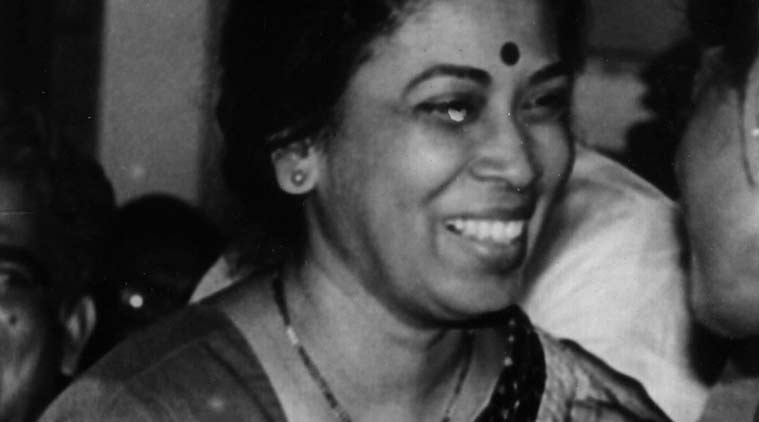
Even in the later stages of her career, Deshpande remained artistically relevant. Her role in English Vinglish introduced her talent to a new generation of moviegoers and showcased her adaptability in contemporary cinema. Beyond acting, she also demonstrated her creative vision by directing the 1978 film Raja Rani Ko Chahiye Pasina. Sulabha Deshpande’s cinematic legacy stands as a shining example of dedication, artistry, and excellence. Her body of work continues to inspire actors and filmmakers, while her performances remain enduring benchmarks in the art of character acting.