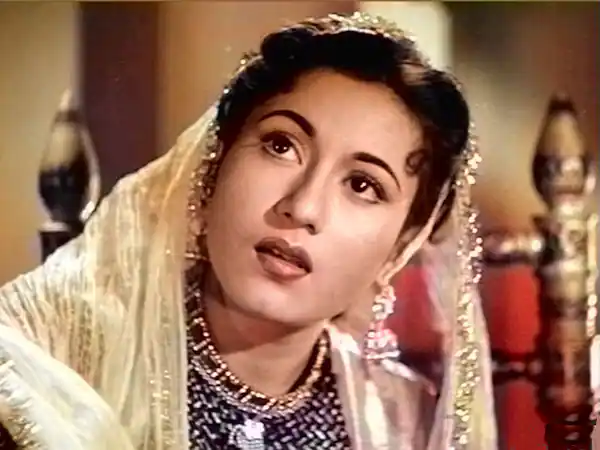
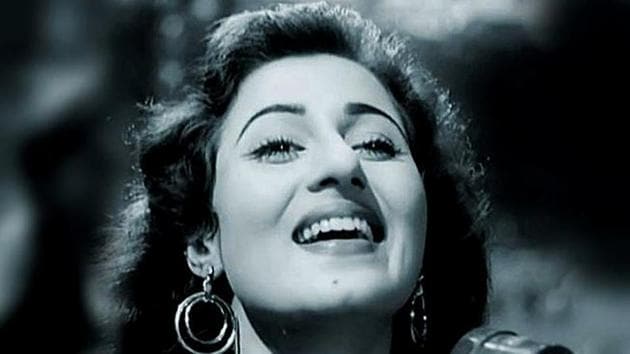
On 23 February 1969, just nine days after turning 36, the ethereal star of Indian cinema, Madhubala, bid a heartbreaking farewell to the world. Born Mumtaz Jehan Begum Dehlavi, she was celebrated as the “Venus of Indian cinema,” a face that defined golden-era glamour and a talent that radiated effortless charm. Yet behind the luminous smile lay a life marked by silent suffering. Her final years unfolded in solitude and pain, a stark contrast to the arc lights, applause, and adoration that once followed her every move.
Madhubala was born with a congenital heart condition—ventricular septal defect—at a time when medical science offered little hope. Work became both her destiny and distraction. She entered films at just nine with Basant and famously reflected, “I start working at 9.” She described the film industry as a “maze” in which she had lost herself. The first alarming sign of her illness appeared in 1954 during the shooting of Bahut Din Huye, when she coughed up blood. Despite a confirmed diagnosis, she continued to work relentlessly, turning in unforgettable performances in Mr. & Mrs. '55, Chalti Ka Naam Gaadi, Howrah Bridge, Barsaat Ki Raat and the magnum opus Mughal-E-Azam, enduring grueling shoots even as her health crumbled.
Adbhut Brand Studio | Utsav
advertisement

advertisement

Her personal life mirrored the tragedy of her health. Madhubala shared a nine-year romance with screen legend Dilip Kumar. They met on the sets of Tarana and were briefly engaged. However, familial pressures and a legal dispute around Naya Daur drove a wedge between them. Years later, after his marriage to Saira Banu, Madhubala sent for him one last time. In his memoir, Substance and Shadows, he recalled her fragile frame and brave smile as she told him, “Hamarey shehzade ko unki shehzadi mil gayi hai.”
In 1960, she married the charismatic singer-actor Kishore Kumar. But theirs was no fairy tale. As she prepared to seek treatment in London, doctors had already given her only two years to live. Kishore, burdened by work, left her at her father’s home, visiting occasionally and covering medical expenses. Isolation deepened her despair. Once vibrant and full of life, she became reclusive, avoiding visitors and grieving her fading reflection.
Confined to her home in her final years, Madhubala endured suffering with quiet dignity. She refused to burden her family, managing daily tasks herself and even discouraging further medical expenses. On that somber February day in 1969, the industry mourned the loss of its brightest star. Kishore Kumar walked in her funeral procession, while Dilip Kumar, arriving too late, honored her memory in silence. In death, as in life, Madhubala remained unforgettable—a timeless icon whose beauty dazzled the screen, even as her heart quietly broke behind it.