For decades, a section of Bengal’s educated middle class has lived in a strange contradiction. Education was sold as the ladder to success, yet opportunities often failed to keep pace with ambition. Many could have chosen easier paths, informal shortcuts, or roadside businesses, but instead invested years in studies, skills, compliance, and legal entrepreneurship. The question is simple: if every citizen has the right to live with dignity, why should those trying to build something through hard work feel that their struggles matter less than others’?
The bigger debate is about opportunity. After decades of political promises under different governments, why does employment migration remain a one-way street? Thousands leave Bengal for cities like Delhi, Gurgaon, Bengaluru, and Hyderabad in search of work, while very few move to Kolkata for the same reasons. When industries shut down, factories disappear, and investment hesitates, the consequences are felt for generations. Economic growth is not a slogan—it is jobs, businesses, and the confidence that tomorrow can be better than today.
Adbhut Brand Studio | Utsav
advertisement

advertisement

Then comes the uncomfortable conversation around equality. Many people speak passionately about rights, but how often do those principles enter everyday life? Do privileged families share the same schools, neighborhoods, and opportunities as the workers who support their households? Real equality is not a social media post or a political slogan. It is reflected in the systems people willingly participate in. Otherwise, ideological debates become performances rather than solutions.
Meanwhile, legal businesses continue to face mounting compliance burdens. Taxes, filings, penalties, staffing costs, regulations, and paperwork create challenges even before profits arrive. Running an honest enterprise often means carrying risks 24 hours a day, 365 days a year. Yet public sympathy frequently flows toward dependency rather than entrepreneurship. The result is a culture where creating wealth is viewed with suspicion, while economic stagnation is normalized. Dependency grows, self-reliance weakens, and ambition quietly leaves the state.
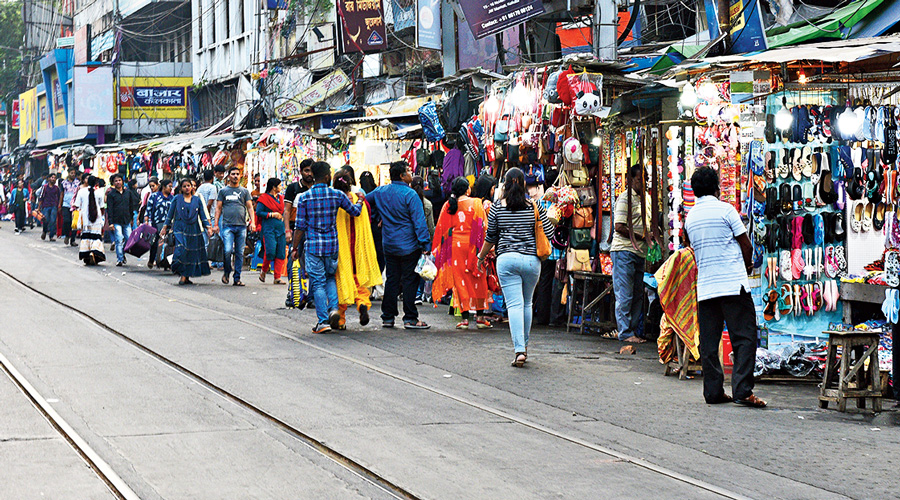
The reality is that trains will run on railway tracks, roads will serve vehicles, and businesses will thrive when systems function fairly and legally. Economic progress comes from creating opportunities, not distributing limitations. A society cannot move forward by rewarding victimhood while discouraging aspiration. The future belongs to regions that welcome enterprise, encourage innovation, and create space for people to succeed through effort. Change will not arrive through endless blame. It begins when citizens stop defending broken systems and start demanding opportunities that allow everyone—not just a select few—to rise.