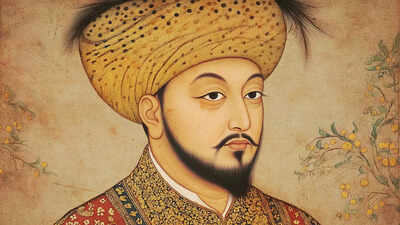
India’s history classrooms are no longer whispering — they’re roaring. The revised Class 8 syllabus has detonated a fierce national debate by adopting a sharper tone in its portrayal of key Mughal figures. In the updated text, Babur is reportedly described as a “cruel invader,” while Aurangzeb is labeled a “temple destroyer.” The language is bold, unapologetic, and impossible to ignore. Supporters hail it as a long-overdue correction — a move away from polished narratives toward raw historical clarity. Critics, however, see danger in compressing centuries of complexity into punchy moral verdicts. Either way, the textbook has become the newest battlefield in India’s culture wars.
For decades, the Mughal era has sat at the center of ideological tug-of-war. Traditional narratives often highlighted architectural brilliance, administrative innovation, and syncretic culture. But critics argued that these accounts downplayed episodes of warfare, religious policy, and political repression. The new tone appears to answer that frustration head-on. Advocates insist history should not be selectively sanitized. If invasions were brutal, say it. If temples were demolished under state policy, document it. For them, intellectual honesty demands naming actions plainly, not cushioning them in academic ambiguity.
Adbhut Brand Studio | Utsav
advertisement

advertisement

Yet history, scholars warn, is rarely that simple. Empires are not comic books of heroes and villains; they are ecosystems of power, belief, ambition, and survival. Historians emphasize that both Babur and Aurangzeb governed within the political and religious frameworks of their eras. Policies were shaped by strategy as much as ideology. Temple destructions, for instance, were sometimes political acts against rival rulers rather than blanket religious warfare. To strip away context is to risk replacing one imbalance with another. Nuance, they argue, is not weakness — it is the discipline that keeps education from turning into propaganda.
At the heart of this clash lies a deeper question: What is the purpose of history education? Is it to deliver moral clarity, or to cultivate analytical thinking? Many experts argue that classrooms should equip students to wrestle with contradictions. Historical figures can be empire builders and oppressors, reformers and hardliners, patrons of art and enforcers of harsh policies — sometimes all at once. Teaching complexity does not dilute truth; it strengthens democratic understanding by encouraging evidence-based reasoning over emotional reaction.

Ultimately, this syllabus shift reflects a nation in conversation with itself. India is renegotiating how it understands identity, heritage, and collective memory. Whether the sharper framing endures or evolves, one thing is certain: history is no longer confined to dusty pages. It is alive, contested, and politically charged. And in that charged space, the challenge is not merely to rewrite the past — but to teach it with courage, balance, and intellectual integrity.