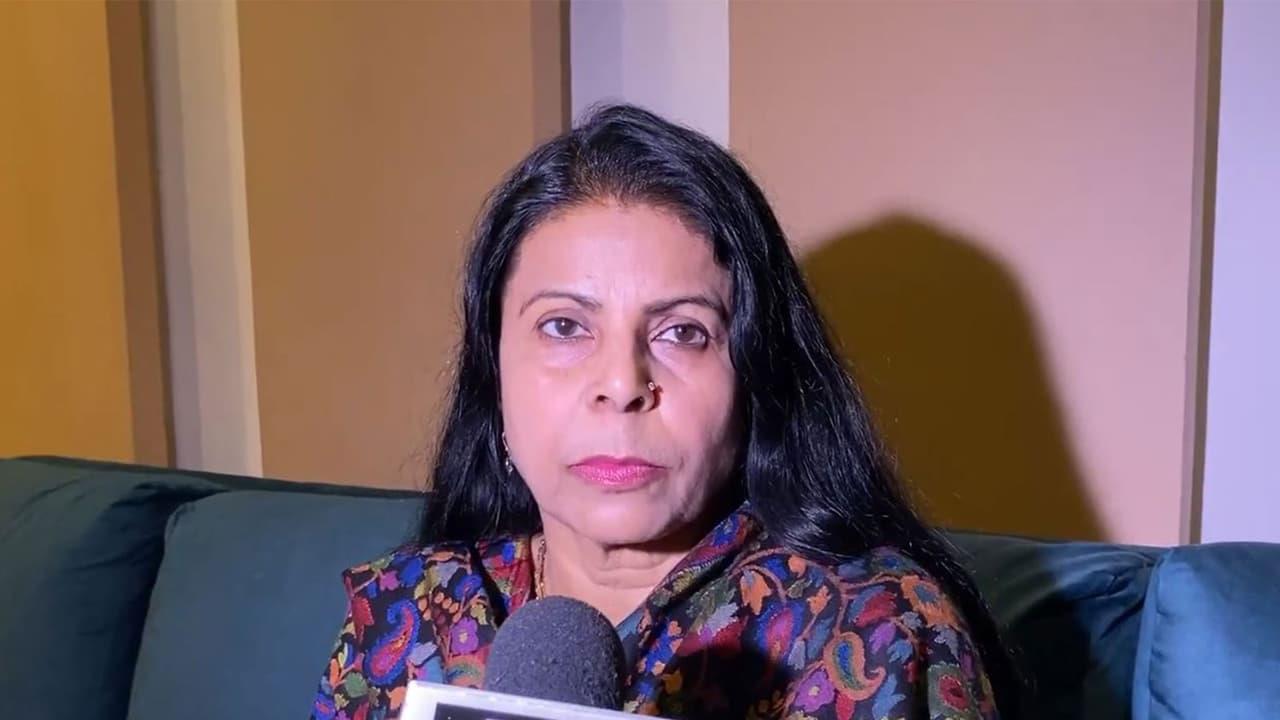
For years, Bengal was told it was neglected and disrespected—but national honours for its artists, doctors, and scholars expose the truth, shattering the manufactured myth of an “anti-Bengal” agenda.
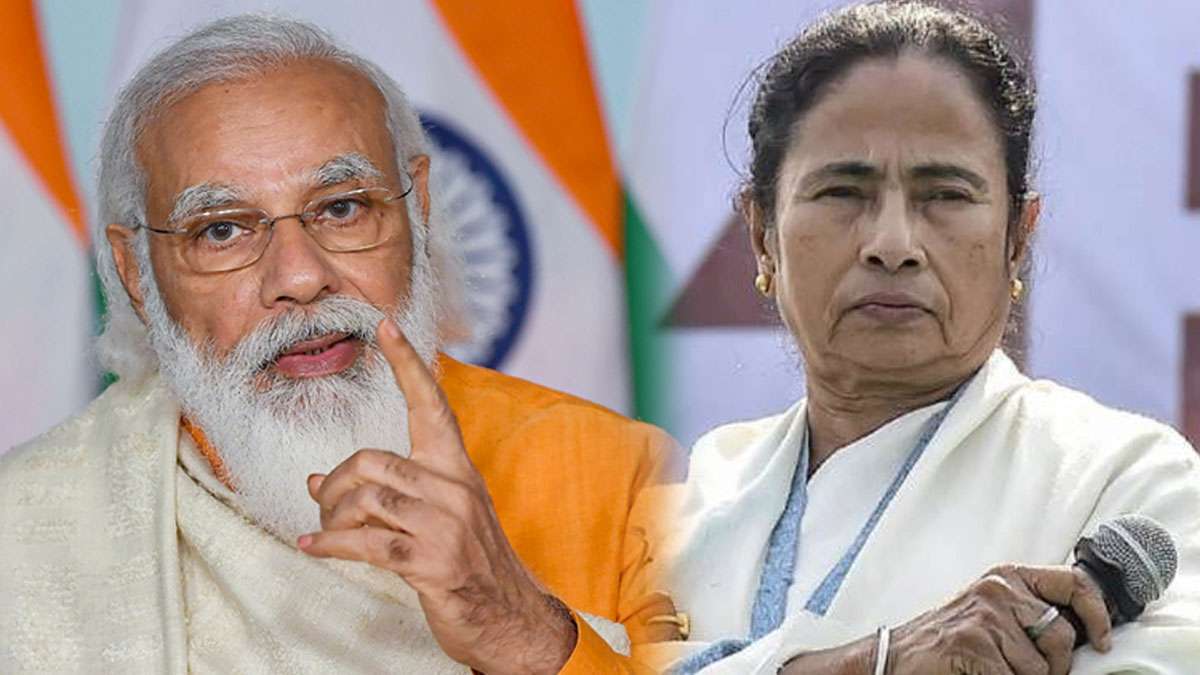
For years, the Trinamool Congress has repeatedly claimed that Narendra Modi and the BJP are “anti-Bengal” and “anti-Bengali.” This slogan is echoed so often that many accept it without question. But when political rhetoric is tested against facts, the picture looks very different. Recognition, respect, and representation are strong indicators of intent. By honouring exceptional Bengalis from diverse backgrounds with national awards, the BJP-led central government has demonstrated not hostility, but genuine appreciation for Bengal’s cultural, artistic, and intellectual legacy.
Consider the case of Tripti Mukhopadhyay, the pride of Birbhum and a torchbearer of Kantha embroidery. While Birbhum is often associated in public discourse with political strongmen and controversy, the central government chose to spotlight its true soul—creative resilience. From an ordinary homemaker, Tripti Devi rose to become a globally recognised artist, reviving an ancient art form and empowering countless rural women through livelihood opportunities. Awarding her the Padma Shri sends a powerful message: Bengal’s identity is rooted in creativity, heritage, and women-led transformation, not in fear or criminality.
Adbhut Brand Studio | Utsav
advertisement

advertisement

The same spirit of merit-based recognition is evident in the honour bestowed upon Dr. Saroj Mondal, Bengal’s legendary “Pacemaker Man.” His contribution to medical science is extraordinary—tens of thousands of complex procedures and a world record of implanting over 22 pacemakers in just eight hours. At a time when concerns are raised about the deterioration of healthcare infrastructure in the state, the Modi government chose to celebrate a quiet, selfless healer who served humanity beyond headlines. This recognition reinforces a simple principle: merit matters, not political allegiance or appeasement.
Another significant example is Dr. Mahendranath Ray, a towering figure of the Rajbanshi community in North Bengal and the founding Vice-Chancellor of Alipurduar University. By conferring the Padma Shri upon him, the Centre acknowledged not only an individual but the long struggle, culture, and intellect of the Rajbanshi people. Along with earlier honours to Geetashree Geeta Barman and Nagendranath Ray, this reflects a consistent effort to elevate marginalised regional cultures to the national stage.
So, where does this leave the “anti-Bengal” allegation? The evidence tells a different story—one of recognition, respect, and inclusion. By celebrating Bengal’s artists, doctors, and educators, the Modi government has highlighted the state’s finest contributions to the nation. Perhaps this is why such recognition is uncomfortable for parties that thrive on victimhood narratives. Facts, after all, are harder to dismiss than slogans.