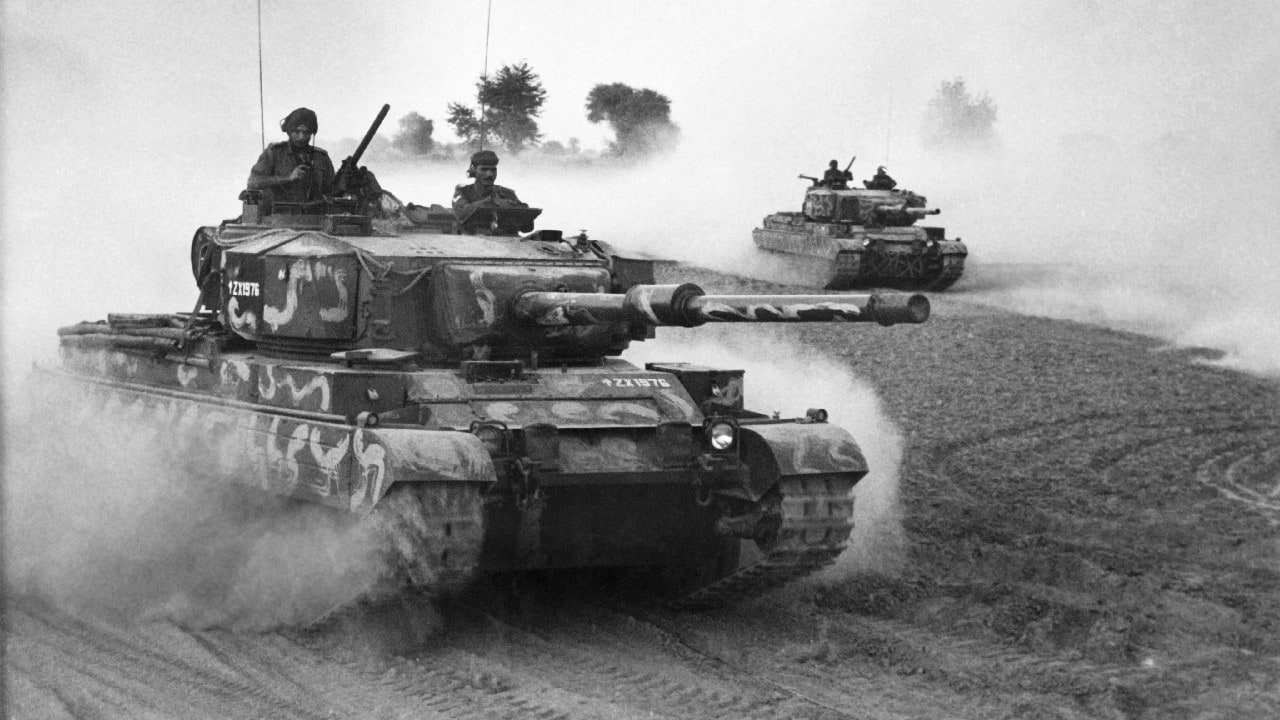
This write-up is humbly dedicated to the brave men of the Indian Army who were killed and wounded while defending Fazilka during the 1971 Indo-Pak War on the Western Front. Fazilka, a modest border town in Punjab, stood barely ten kilometers from Pakistan, yet its strategic importance was immense. Located close to the Sulemanki Headworks on the Sutlej River, Fazilka controlled critical road and rail links connecting Firozepur, Abohar, Malout, Shri Ganganagar, and Patiala. Having already faced fierce Pakistani assaults in the 1965 war, Fazilka once again became a frontline bastion in 1971, symbolizing India’s resolve to defend every inch of its soil against aggression.
In April 1971, Major General Ram Singh raised the 16 Infantry Division at Ambala under the 11 Corps, assigning it the vital responsibility of defending the sector from Shri Ganganagar to Fazilka. By August, the Division was firmly deployed at Abohar, reinforced with formidable armored support. The 14 Independent Armored Brigade provided T-54 tanks from the 18 Cavalry under Lieutenant Colonel H.S. Mann and the 70 Armored Regiment under Lieutenant Colonel R.K. Dewan, equipped with advanced SS-11B1 wire-guided anti-tank missiles. These formations, along with Sherman tanks of the 4 Independent Armored Squadron, transformed the Division into a powerful defensive force ready for war.
Adbhut Brand Studio | Utsav
advertisement

advertisement

The defense of Fazilka sector was entrusted to the 67 Infantry Brigade under Brigadier S.S. Chowdhury. The Brigade comprised the 3 Assam Regiment, 4 Jat Regiment, and 15 Rajput Regiment, supported by two battalions of the Border Security Force. Fazilka town itself was converted into a fortress. The 4 Jat Regiment and two companies of 15 Rajput held the town, while 3 Assam Regiment defended key strong points like Choriwala Chisti, Qadir Baksh, and Pakka. Southern and northeastern approaches were guarded by Rajputs, BSF units, and Sherman tanks, ensuring layered and determined defense.
Facing them across the border was Pakistan’s 105 Infantry Brigade under Brigadier Amir Hamza, consisting of the 6 Frontier Force, 7 Punjab, and 18 Baluch Regiments, supported by Sherman tanks and Rangers. Pakistan also held a dangerous enclave east of the Sutlej near Sulemanki, offering them an avenue for offensive thrusts into India. Anticipating conflict, Indian formations began intensive preparations from October 1971—conducting reconnaissance, coordinating air support, and rehearsing battle drills. The clear and unwavering strategy of the 67 Brigade was simple yet profound: Fazilka was to be defended at all costs.
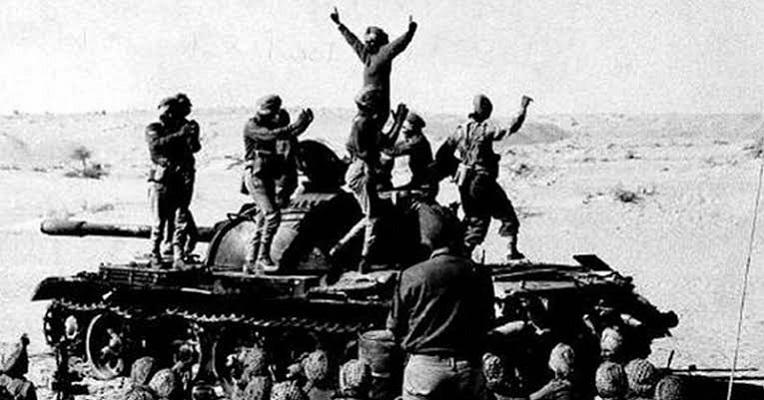
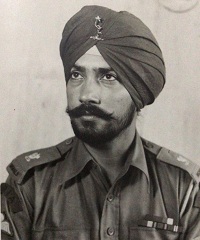
Even before the formal outbreak of war, sacrifice had already marked this campaign. On 16 November 1971, Major Harpal Singh Grewal of the 8 Bihar Regiment—son-in-law of Major General Ram Singh—was killed in action during operations in East Pakistan, along with five of his men. His martyrdom foreshadowed the heavy price that would soon be paid for victory. During the December war, Major General Ram Singh himself was wounded, and Brigadier Chowdhury was replaced mid-battle. Yet, despite losses and hardships, the spirit of the Indian soldier remained unbroken. The defense of Fazilka stands as a proud chapter of courage, sacrifice, and unwavering patriotism in India’s military history.