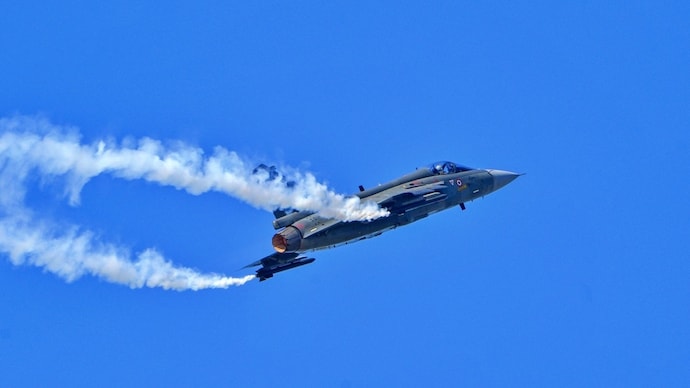
When Tejas soared over Dubai, it carried more than metal—it carried India’s ambition. One moment of tragedy cannot dim a nation rising on courage, innovation, and unshakeable pride.
)
The crash of the Light Combat Aircraft (LCA) Tejas during an aerobatic display at the Dubai Air Show stirred widespread debate, but beyond the noise lies a story of complexity, courage, and India’s steady march toward technological self-reliance. While some commentators rushed into speculation, professionals across aviation circles recognised the event as an unfortunate reminder of the risks inherent in high-performance flying. Tejas was performing a manoeuvre designed to demonstrate agility—not unlike the displays undertaken by modern fighters across the world—and in doing so, India showcased its confidence in a jet developed through decades of indigenous effort.
Eyewitness accounts and video recordings indicate that the aircraft entered the downward segment of a loop moments before the accident. During this phase, the jet experienced negative G forces—an environment where gravity is effectively reversed for the aircraft and pilot. As the Tejas attempted to level out, it lost altitude rapidly, leaving the pilot with barely a heartbeat to recover. Air-show flying allows almost no margin for error: low altitude, high roll rates, and rapid transitions mean even the most experienced aviators face extreme conditions. Tragically, the seasoned Indian Air Force pilot on board could not eject in time and made the ultimate sacrifice while representing the nation.
Adbhut Brand Studio | Utsav
advertisement

advertisement

Globally, aviation history shows that such incidents are not indicators of systemic failure. From the early years of the F-16 and Gripen to occasional losses among elite Russian Sukhoi display teams, accidents during aerobatics have occurred across nations with long-established aerospace industries. Air-show routines are fundamentally different from combat missions; they push aircraft to the edge of their performance envelope to demonstrate capability to the world. In this demanding environment, risks magnify, but so do the lessons learned—lessons that every developing and advanced air force uses to refine its platforms.
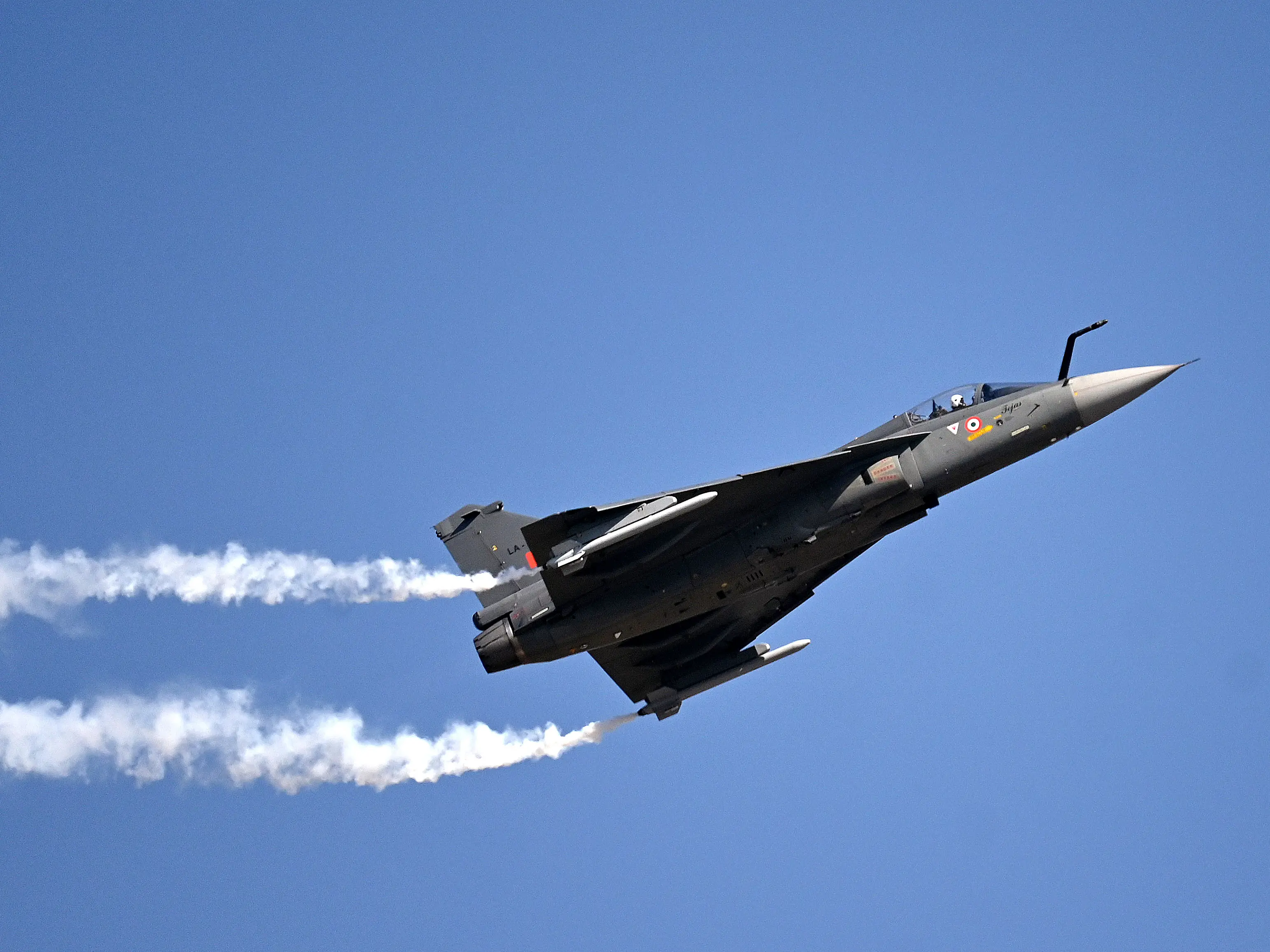
Against this broader backdrop, Tejas continues to maintain an admirable safety record. With more than 15,000 sorties and only one non-fatal crash before Dubai, it stands among the safer fourth-generation fighters in its class. The programme itself reflects India’s growing aerospace maturity: a domestically designed platform powered by years of testing, collaboration, and incremental advancement. Each success and each setback contributes to a learning curve that strengthens India’s technological foundations.
&imwidth=800&imheight=600&format=webp&quality=medium)
India will now do what responsible aviation nations routinely do—conduct a transparent investigation, analyse the technical sequence, and apply the findings to improve the aircraft further. The nation mourns a brave pilot who carried the tricolour into an international arena, and honours him by continuing to build, refine, and fly. Programmes built on courage, science, and national resolve do not end with a single tragedy; they rise stronger, reinforcing India’s journey toward self-reliance in the skies.