As modern politics thrives on outrage, the real story of power, jealousy, and suppression lies in the dramatic face-off between Indira Gandhi and her iconic contemporary, Maharani Gayatri Devi.
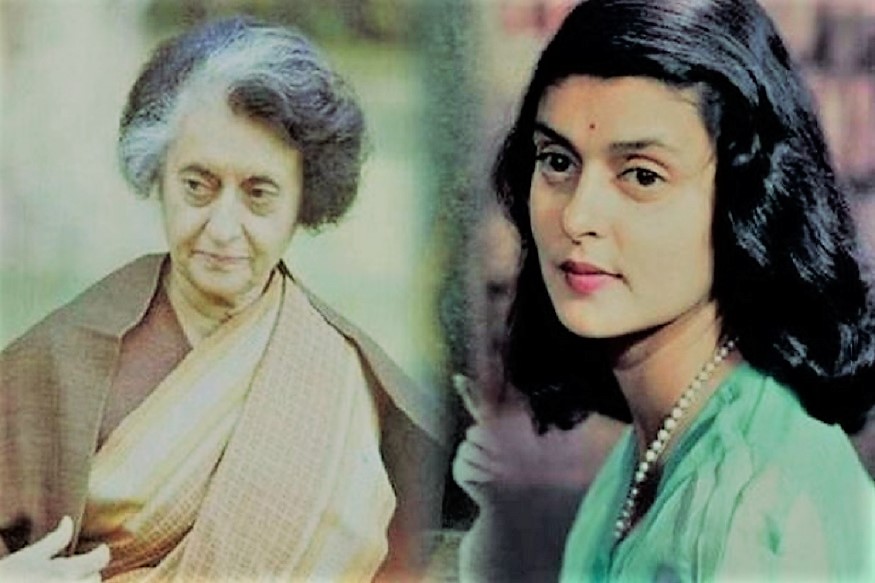
The political history of independent India contains moments of towering leadership as well as episodes of deep contestation, none more debated than the era of Prime Minister Indira Gandhi. In contemporary public discourse, strong leaders across the political spectrum—today including Prime Minister Narendra Modi—often face accusations of authoritarianism even when acting within constitutional processes such as judicially reviewed security actions or parliamentary decisions. Such claims gain perspective only when contrasted with the Emergency of 1975–77, a period widely regarded as the most serious suspension of democratic rights in India’s post-independence history.
Within this turbulent chapter stands the story of Maharani Gayatri Devi, one of the most admired public figures of her time. Celebrated for her grace and humanitarian commitments, she worked extensively for women’s education, social welfare, and the poor of Jaipur. Her political journey as a three-time Member of Parliament from the Swatantra Party marked her as a formidable democratic voice against Congress dominance. Her popularity—rooted in public affection rather than royal privilege—placed her in natural political opposition to Indira Gandhi.
Adbhut Brand Studio | Utsav
advertisement

advertisement

The relationship between the two had personal undertones dating back to their school days at Shantiniketan, but it was political rivalry that ultimately shaped events. After the abolition of the privy purse and the growing polarisation of the 1960s, tensions escalated. Once the Emergency was imposed, Gayatri Devi was arrested under harsh preventive-detention provisions. Her months in Tihar Jail were difficult, affecting her health severely. Yet even in confinement, she devoted herself to teaching children and supporting fellow inmates, reflecting the compassion that had defined her public life.
Her release on parole, along with restrictions on her political activity, symbolised the broader suppression experienced by opposition leaders during the Emergency. When democracy returned in 1977, Gayatri Devi chose not to contest further elections, remarking that she no longer wished to participate in politics under conditions she felt had distorted democratic norms. Her later years were spent in charitable work and family life until her passing in 2009.
The story of Gayatri Devi’s persecution during the Emergency remains a reminder of how fragile democratic institutions can become when unchecked power overrides dissent. While political debates today may be fierce and polarised, historical perspective urges citizens to distinguish between legitimate democratic contestation and genuine authoritarian excess. Remembering these episodes is essential not for partisan battles, but to safeguard the principles on which India’s democracy stands.



.webp)