Credit: Based on the account of former naval officer Vinod Kumar Jha.
Fifty years ago, during the turbulent winter of 1971, India stood on the brink of a historic victory in the Bangladesh Liberation War. Yet, just as the triumph seemed certain, a grave threat emerged from across the seas. Provoked by Henry Kissinger, President Nixon deployed the formidable US 7th Fleet Task Force—led by the world’s largest nuclear-powered aircraft carrier of its time, the USS Enterprise—towards the Bay of Bengal. At 75,000 tonnes and armed with more than 70 fighter aircraft, it dwarfed India’s own Vikrant, which carried barely twenty light fighters. What was claimed as a mission to “protect American citizens” was, in truth, a blatant attempt to intimidate India and halt the liberation of East Pakistan.
As if this danger were not enough, Soviet intelligence delivered yet another alarming warning to New Delhi: a powerful British naval group, led by aircraft carrier HMS Eagle and commando carrier HMS Albion, was advancing into the Arabian Sea from the west. The plan was unmistakable—an Anglo-American pincer to pressure India from both coasts. Britain would menace India’s western shores while the United States threatened from the east. In December 1971, two mighty Western democracies united to coerce the world’s largest democracy. India, though resolute, was caught in a perilous strategic trap and urgently sent an SOS to the Soviet Union.
Adbhut Brand Studio | Utsav
advertisement

advertisement

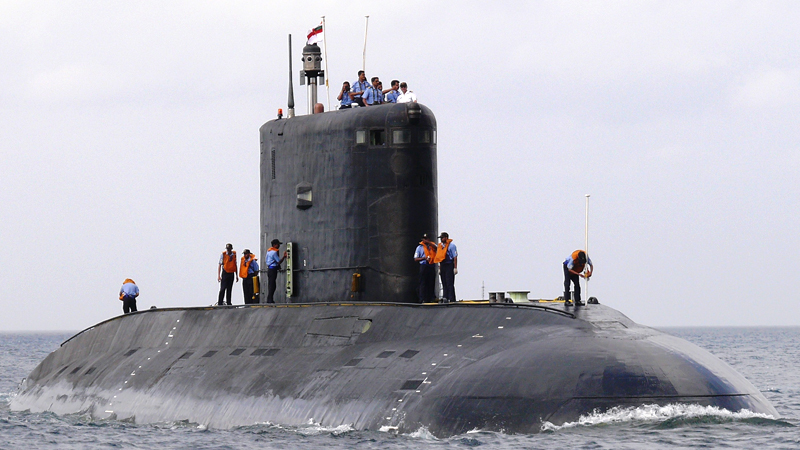
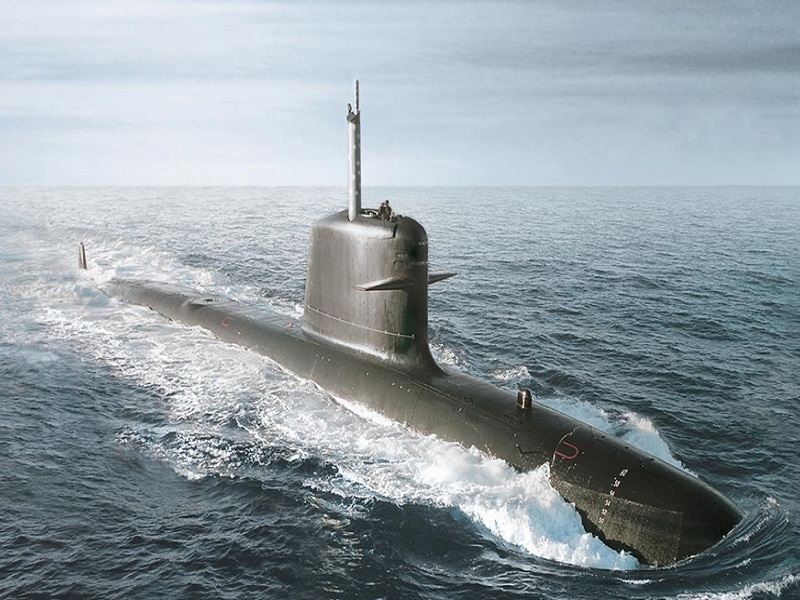
At this critical hour, Moscow responded with the speed and solidarity of a true ally. Six nuclear-powered Soviet submarines and sixteen supporting naval vessels set sail from Vladivostok with one mission: shield India. Their objective was clear—to block the advance of the USS Enterprise and neutralise any threat to Indian waters. Admiral N. Krishnan, India’s Eastern Naval Commander, later wrote in No Way But Surrender that he feared the American fleet might reach Chittagong, and even contemplated a desperate attack on the US carrier to delay it. The world watched in suspense as the American and British fleets approached.
But the Americans were in for a shock. Before the USS Enterprise could move decisively, Soviet submarines surfaced unexpectedly, taking position between the US fleet and the Indian Navy. The 7th Fleet Commander reported in disbelief, “Sir, we are too late. The Soviets are here!” With their path blocked by nuclear-armed Soviet forces, the Americans had no option but to turn back. The British fleet, too, quietly withdrew.
This extraordinary naval standoff—an episode nearly erased from our history books—remains a testament to international friendship and India’s unwavering resolve. It reminds us why India continues to value its time-tested partnership with Russia. Truly, a friend in need is a friend indeed.