Elaborated from a social media post by Former Wing Commander, Indian Air Force: Syamantak Datta
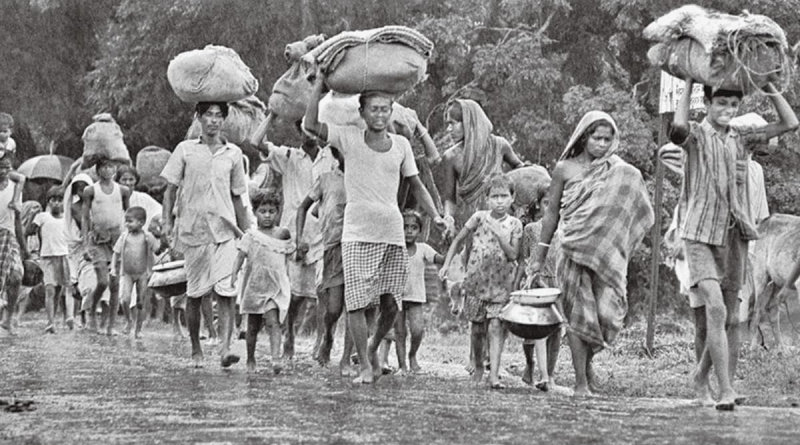
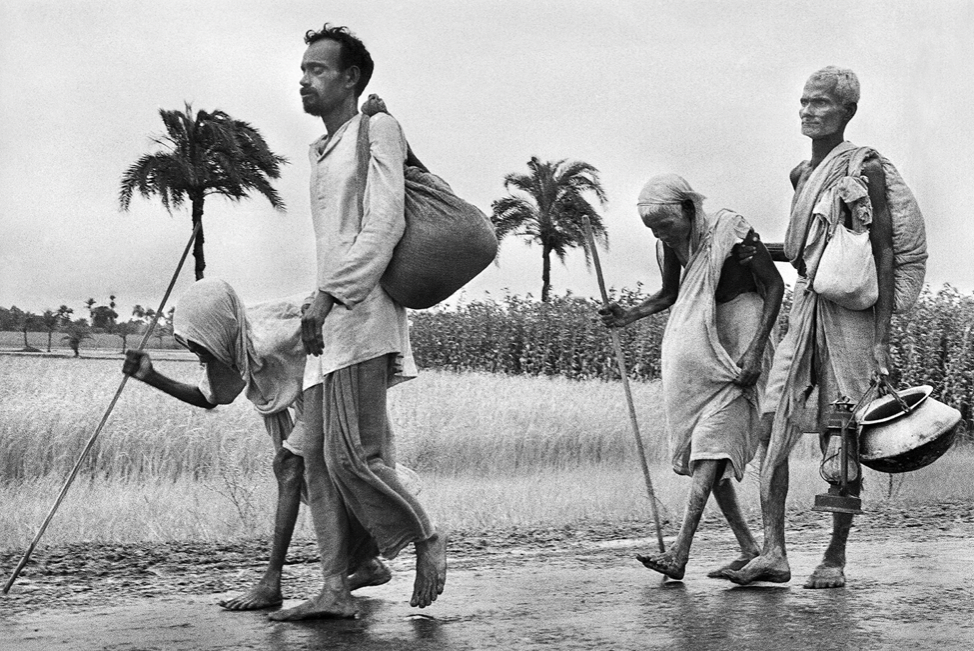
On 24th January 1978, a small island in the Sundarbans called Marichjhapi witnessed one of the most tragic and lesser-known massacres in modern Indian history. The island was home to around 30,000 Hindu refugees—mostly Dalits and Namasudras—who had fled persecution in East Pakistan (now Bangladesh) after Partition. Seeking a new beginning, they built huts, schools, and farms on the island. However, their dream of a dignified life turned into a nightmare when the Left Front Government of West Bengal, led by Chief Minister Jyoti Basu, decided to forcibly evict them.
In January 1979 (though preparations began earlier), the state launched a brutal operation—30 police launches and two steamers surrounded Marichjhapi, cutting off all access to food, medicine, and even drinking water. As supplies ran out, desperate women rowed dinghies to nearby Kumirmari island for water, only to be fired upon. Eyewitness accounts describe horrific scenes—boats being overturned, women and children shot or drowned, and the island turning into a killing field. Reports estimate that around 20,000 refugees were killed, and 3,000 children lost their lives in the massacre, though the government denied large-scale violence.
Adbhut Brand Studio | Utsav
advertisement

advertisement

Unlike the one-time migration in western India after Partition, refugee migration to Bengal never stopped. From 1947 onwards, thousands of displaced families continued arriving at Sealdah, Hasnabad, and Bongaon railway stations, escaping religious persecution and economic hardship in East Pakistan. While Bengal absorbed many, the pressure on land and resources grew unbearable. To address this, the Dandakaranya Project (1958) was initiated—an agricultural resettlement scheme in the dry, rocky lands of central India. But for the refugees, this barren terrain felt like another exile, far from the fertile deltas they once called home.
During their years in opposition, the Communists championed the refugees’ cause with slogans like “Sundarban Chalo” (Let’s go to the Sundarbans), encouraging settlement in those lands. Yet, once they came to power in 1977, the same government branded the settlers as encroachers and “environmental hazards.” The refugees who had been used as a political force were suddenly seen as liabilities. Jyoti Basu, under fire for the killings, later deflected blame by citing environmental degradation and accusing the “bourgeois press” of sensationalism.
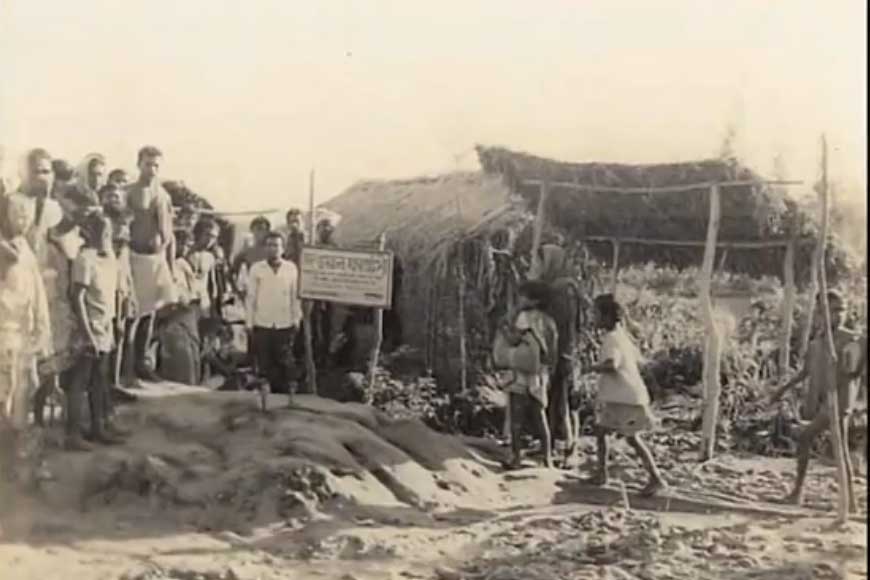
The Marichjhapi massacre remains a suppressed memory—barely mentioned in school textbooks or public discourse. It exposes how politics, power, and prejudice can destroy the lives of the most vulnerable. The tragedy also highlights the enduring refugee crisis in eastern India, where displacement and identity struggles continue to this day. Remembering Marichjhapi is not just about mourning the dead—it is about confronting a painful truth in India’s democratic journey, and ensuring that such state-sponsored brutality never happens again.